
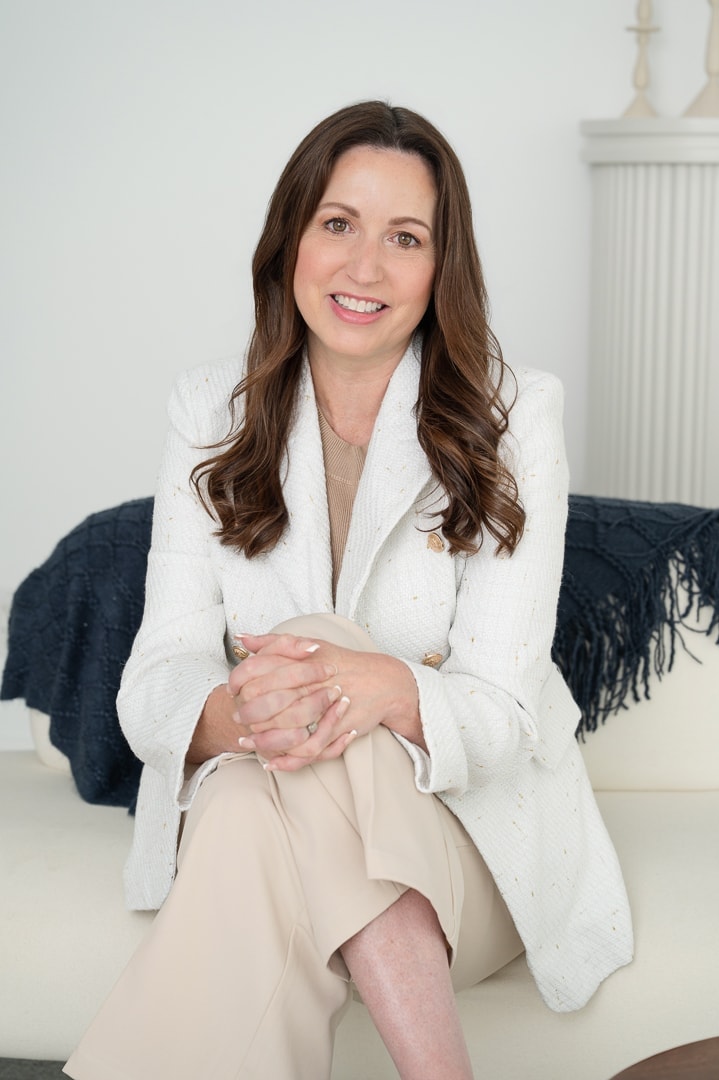
Why relationship matters
Therapy should feel human.
You do not need to arrive with a coherent story or a clear sense of what you need. Grief and trauma can leave experience feeling fragmented, contradictory, or difficult to name. We can begin with what feels most present and allow understanding to emerge in its own time.
My approach is warm, relational, and collaborative. I will not rush you toward acceptance, impose meaning on what happened, or ask you to move faster than feels manageable. Together, we can understand how your experience continues to shape the present and explore what may feel supportive now.
"You don't need to arrive with the right words or a clear way forward. We can begin with what feels most important today."
Grief, trauma, and life transitions
How I work
Relational
The relationship we build matters. I bring warmth, honesty, curiosity, and my own humanity into the room so therapy can feel genuine rather than clinical or distant.
Trauma-informed
Your choices, boundaries, and sense of safety guide the pace of our work. You remain an active participant in every part of the process.
Grief-literate
Grief is not something you must complete or leave behind. We can make room for loss, love, identity, and the life that continues—without timelines or assumptions about how you should be coping.
What to expect
Working together
I created Therapy Bee from a belief that people do not need to be fixed, rushed, or reduced to what has happened to them. We need room to be fully human—to speak, pause, question, grieve, and begin making sense of experiences that may not yet have words.
As a Registered Social Worker and Psychotherapist, I support adults navigating grief, trauma, life transitions, and experiences that have changed how life feels. My role is not to tell you how you should feel or how quickly you should move forward. It is to meet you where you are and walk alongside you with curiosity, compassion, and care.
ALSO AT THERAPY BEE
Coming
September 2026
Meet Cathy Snyder
MSW PRACTICUM STUDENT
Cathy Snyder is completing her Master of Social Work practicum with Therapy Bee through Wilfrid Laurier University. She brings approximately 17 years of experience in social services, along with a calm, thoughtful, and collaborative presence.
Her background includes community living, Ontario Works, housing and advocacy services, case management, and community-based support. Across these settings, Cathy has worked alongside individuals and families navigating mental health concerns, substance-use concerns, disability-related needs, housing instability, conflict, and complex service systems.
Cathy brings respect, curiosity, and an appreciation for the strengths people already carry. Her professional background has shaped a calm, adaptable approach grounded in careful listening, collaboration, and practical support.
Cathy's previous training includes trauma-informed practice, motivational interviewing, Mental Health First Aid, dual diagnosis, conflict resolution, and nonviolent crisis intervention.
Cathy is providing services as an MSW practicum student under the clinical supervision of Andrea O'Reilly, MSW, RSW, Registered Social Worker, Psychotherapist. Clients receive clear information and provide informed consent regarding Cathy's student status, the role of supervision, confidentiality and its limits, fees, and the nature of the services offered.
Currently supporting
Grief, trauma, anxiety, depression, life transitions, attachment concerns, and hoarding
Session format
Virtual sessions
Student rate
$125 / 60 minutes · $75 / 30 minutes
Availability
Accepting new clients

The story behind the name
Why Therapy Bee
When I chose the name Therapy Bee, I was drawn to something older and deeper than the familiar image of a busy hive.
In Irish folklore, bees were treated as part of the household. They were told about births, marriages, departures and deaths. When someone important died, the news was carried to the hives—not because the bees could change what had happened, but because the loss mattered. It had altered the family, the home and the world around them. Even the bees were included in the telling.
There is something profoundly moving to me in that tradition.
Our lives do not unfold in isolation. We are shaped by the people we love, the relationships we have known, the places where we have belonged and the experiences that have changed us. When one part of that living network is disrupted—through grief, trauma, illness, caregiving, relationship loss or a major life transition—the effects can be felt in places we never expected.
The bee also reminds me that connection does not require sameness. Each life has its own movement, history and place within something larger. We affect one another. We carry things for one another. And sometimes, what has happened needs to be spoken aloud and witnessed before we can understand how deeply it has touched us.
That is what the name Therapy Bee has come to hold for me: the significance of every person's story, the interconnectedness of our lives and the belief that difficult experiences deserve to be met with care rather than hurried into silence.
Therapy cannot undo what has happened or make every uncertainty disappear. It can offer a relationship in which you do not have to carry the whole story alone.